Source Touch 3D Stretched LCD Display for industrial, medical, and retail
Compare 30 available options for Touch 3D Stretched LCD Display tailored for industrial, medical, and retail applications. Buyers can review specifications including response times, viewing angles, and interface types to select the right module for their needs.
Key considerations
Products List

$0.12 - $0.15
MOQ: 500 Pieces


3.0inch 360*640dots TFT LCD Display with Optional Touch Panel 2.97inch TFT
$6.88 - $7.58
MOQ: 400 Pieces


Comprehensive Sourcing Guide
Strategic Sourcing Guide for Touch 3D Stretched LCD Display Solutions
The procurement landscape for advanced display modules, specifically those described under the core keyword of "Touch 3D Stretched LCD Display," requires a nuanced approach that balances technical observation with rigorous verification. Buyers entering this market must navigate a complex array of specifications where terms like "stretched" often refer to custom aspect ratios or specific form factors rather than a standardized industry category. The following guide synthesizes available product attributes and industry knowledge to provide a structured framework for evaluating potential suppliers and selecting the right display technology for specific B2B applications.
Technical Architecture and Display Technology Verification
When sourcing a display module with the characteristics of a "stretched" form factor, the first step is to verify the underlying display technology. The market data indicates a prevalence of TFT (Thin Film Transistor) technology, which is essential for high-quality color reproduction and active matrix driving. Specifically, the observed product attributes highlight "a-Si TFT Active Matrix" as a common configuration, ensuring stable pixel control and high resolution. However, buyers must be cautious of mixed listings where "FSTN/CSTN" (Fringe Field Switching/Contrast Stretched Twisted Nematic) technologies also appear. These passive matrix technologies are generally less suitable for high-speed video or complex touch interactions compared to active matrix TFTs.
The distinction between "Stn TFT Tn" and "TFT-LCD Color" is critical. While "Stn" typically denotes a lower-cost, monochrome or limited-color passive matrix, the presence of "TFT" in the same attribute string suggests a hybrid or mislabeled listing that requires immediate clarification. A true "stretched" display often implies a non-standard aspect ratio, such as the observed "4:Feature" ratio, which deviates from standard 16:9 or 4:3 formats. This custom geometry is often paired with "Row/Column-Driven Control Type" logic, which is typical for DOT-Matrix Graphic LCD Modules. Buyers should verify that the driving mode supports the intended application, particularly if the module is intended for "Small-sized LCM" usage or specific industrial interfaces.
Touch Interface and Interaction Capabilities
The integration of touch functionality is a primary differentiator in this segment. The observed data presents a dichotomy in touch technologies, ranging from "Surface Acoustic Wave" (SAW) to "Resistive" and "RTP/CTP Optional" (Resistive/ Capacitive Touch Panel). SAW technology offers high optical clarity and durability, making it suitable for environments requiring frequent interaction, whereas Resistive touch panels are often preferred for cost-sensitive applications or those requiring stylus input. The attribute "Touch Panel Optional: Yes" suggests that the base module may be sold without a touch layer, allowing for customization based on the final product's needs.
Furthermore, the response time is a critical metric for touch performance. The data lists response times of 3ms, 5ms, 25ms, and 30ms. For a "stretched" display intended for dynamic content, a 3ms to 5ms response time is generally preferred to minimize motion blur and input lag. A 30ms response time, while acceptable for static signage, may result in noticeable lag in interactive applications. Buyers must correlate the touch type with the response time; for instance, a SAW panel paired with a 30ms response time might indicate a specific trade-off between optical quality and processing speed. The "3D: Not 3D" attribute is also significant, clarifying that despite the "3D" keyword in the search query, the actual available inventory is strictly 2D, necessitating a re-evaluation of the procurement requirements if stereoscopic viewing is a hard constraint.
Customization and Form Factor Specifications
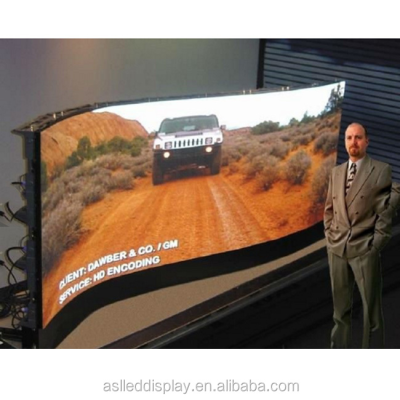
The term "stretched" in the context of LCD procurement often refers to custom aspect ratios or physical dimensions that deviate from standard off-the-shelf sizes. The provided data confirms that "Customization: Available" and "Customized: Non-Customized" are both present in the market, indicating a spectrum of options from standard modules to fully bespoke solutions. The physical dimensions observed, such as "35.640.64.0" mm and "3.5inch," highlight the variety of form factors available. The visual area of "218.8X54.72mm" suggests a highly elongated or "stretched" module, likely designed for specific industrial or advertising applications where width is prioritized over height.
Buyers should note that the "prod_packing" varies from "500" units per batch to "Carton Packing" or "Foam Slot/Tray in Carton or Customized Package." This variability impacts logistics and inventory management. The "prod_model" codes, such as "BBI2023121" and "RCS-TM0880," serve as unique identifiers for these custom configurations. When sourcing, it is essential to request the exact mechanical drawing and the "Visual Area" dimensions to ensure the module fits the intended enclosure. The "Interface Type" is listed as "HDMI," which is a modern standard for high-definition video transmission, but buyers must verify compatibility with their system's controller, as older or specialized modules might require different interfaces like LVDS or SPI.
Compliance, Standards, and Certification Checks
Navigating the regulatory landscape is paramount for B2B procurement, especially for products destined for international markets. The observed product attributes list "CE FCC ROHS" as the product standard, alongside specific certification mentions for "CE" and "RoHS." These are not merely marketing terms but legal requirements for electronic equipment in many jurisdictions. CE marking indicates conformity with health, safety, and environmental protection standards for products sold within the European Economic Area. FCC certification is mandatory for electronic devices sold in the United States to ensure they do not cause harmful interference. RoHS compliance ensures that the product is manufactured without restricted hazardous substances.
However, the data also lists "120.80× 75.95× 6.73mm" under "prod_standard," which appears to be a dimensional specification rather than a regulatory standard. Buyers must be vigilant in distinguishing between physical dimensions and regulatory compliance documents. The origin of these products is listed as "China," which is a major manufacturing hub but requires careful supplier vetting to ensure that the claimed certifications are valid and current. Procurement teams should request copies of the actual test reports and certificates of conformity rather than relying solely on the product listing. The "Application" field noting "Indoor, Advertising" suggests that these modules may not be rated for harsh outdoor environments, which could impact the selection of protective coatings or housing materials.
Cost Drivers and Economic Considerations
The pricing for touch 3D stretched LCD displays is influenced by several factors, including the display technology, touch layer type, and degree of customization. The observed price range of $0.12 to $450 USD reflects the vast difference between a basic passive matrix module and a fully customized, high-performance active matrix unit with advanced touch capabilities. The "MOQ" (Minimum Order Quantity) ranges from 0 to 1000, indicating that some suppliers may offer low-volume sampling or prototype runs, while others require bulk orders to justify the setup costs for custom molds or programming.
The "Color Numbers: 16.7m" attribute points to a 24-bit color depth, which is standard for high-quality TFT displays but adds to the cost compared to lower-color-count modules. The "Luminance: Optional" attribute suggests that brightness levels can be tailored, with higher luminance typically commanding a premium price. Additionally, the "LED Backlight Display" feature is a standard expectation for modern LCDs, but the efficiency and lifespan of the backlight can vary, affecting the total cost of ownership. Buyers should analyze the total cost of acquisition, including the cost of the touch controller, driver ICs, and any necessary interface adapters, rather than focusing solely on the panel price.
Supplier Evaluation and Quality Assurance
Selecting a reliable supplier for specialized display modules requires a thorough evaluation of their technical capabilities and quality control processes. The presence of "Customization: Available" implies that the supplier has the engineering capacity to modify aspect ratios, drive modes, and interface types. Buyers should assess the supplier's track record in delivering "Small-sized LCM" modules and their ability to maintain consistency in "Pixel arrangement: RGB stripe" configurations. The "Viewing Angle" is another critical quality metric, with "IPS" (In-Plane Switching) offering superior viewing angles compared to "TN+FILM" (Twisted Nematic with Film).
Quality control should extend to the "prod_packing" methods. The use of "Foam Slot/Tray in Carton" is a best practice for preventing damage during transit, especially for fragile glass substrates. Buyers should verify the supplier's testing protocols for response time, luminance uniformity, and touch sensitivity. The "Response Time" variations observed (3ms to 30ms) highlight the need for sample testing before bulk ordering. It is advisable to request a sample unit to validate the "Visual Area" and "Aspect ratio" against the design specifications. Furthermore, the "Application" context of "Indoor, Advertising" suggests that the supplier should have experience in producing displays for digital signage, which often requires high reliability and long operational lifespans.
Long-Term Procurement and Lifecycle Management
Sourcing a "stretched" LCD display is not just a one-time transaction but a long-term partnership that requires consideration of supply chain stability and product lifecycle. The "prod_model" codes indicate that specific configurations may be tied to specific production runs. Buyers should inquire about the "Lead Time" and the supplier's ability to maintain production continuity for custom models. The "Customized: Customized" attribute suggests that once a design is finalized, it may be difficult to switch suppliers without significant re-engineering costs.
Additionally, the "3D: Not 3D" finding underscores the importance of verifying that the product meets the actual technical requirements of the project. If the project evolves to require 3D capabilities, the current supply base may not be suitable. Buyers should also consider the obsolescence risk of specific interface types like "HDMI" in the context of embedded systems, ensuring that the chosen module will remain compatible with future controller upgrades. The "Standard" compliance (CE, FCC, RoHS) must be maintained throughout the product's lifecycle, and suppliers should be willing to provide updated documentation if regulations change.
In conclusion, sourcing a Touch 3D Stretched LCD Display involves a meticulous review of technical attributes, from the active matrix TFT technology and response times to the specific touch panel options and custom dimensions. By rigorously verifying the compliance standards, understanding the cost drivers, and evaluating the supplier's customization capabilities, buyers can secure a supply chain that delivers high-quality, reliable display solutions tailored to their specific B2B needs. The observed data provides a solid foundation for these decisions, but the final selection must always be validated through direct communication with suppliers and physical sample testing.
FAQs
What display technologies are available for these modules?
The available display technologies include TFT and FSTN/CSTN variants. Buyers must verify the specific matrix type, as a-Si TFT Active Matrix is common for color displays while FSTN/CSTN may appear in passive matrix listings requiring clarification.
Can I customize the aspect ratio and physical dimensions?
Customization is available for aspect ratios and physical dimensions like 35.6*40.6*4.0 mm. Some listings offer non-customized options, so buyers should confirm if the visual area of 218.8X54.72mm meets their specific enclosure requirements before ordering.
Which touch screen types are supported for these displays?
Supported touch types include Surface Acoustic Wave, Resistive, and optional RTP/CTP panels. The response time varies from 3ms to 30ms, so buyers should select the touch type that balances optical clarity with the required interaction speed for their application.
What certifications do these products meet for international markets?
Products meet CE, FCC, and RoHS standards as listed in the product attributes. Buyers should request actual test reports to verify compliance, especially since the origin is China and these certifications are mandatory for European and US sales.
How does the response time affect performance for video content?
Response times range from 3ms to 30ms depending on the specific module configuration. A 3ms to 5ms response is preferred for dynamic content to minimize lag, while 30ms may be acceptable for static signage but causes noticeable blur in interactive applications.
What is the minimum order quantity for these display modules?
The minimum order quantity ranges from 0 to 1000 units based on the supplier and customization level. Some suppliers offer low-volume sampling, while others require bulk orders to justify setup costs for custom molds or specific programming configurations.
Are these displays suitable for outdoor advertising applications?
The listed application is primarily indoor and advertising, suggesting they may not be rated for harsh outdoor environments. Buyers should verify protective coatings and housing materials if the display is intended for outdoor use rather than standard indoor signage.